Hail Damage Roof Inspection: What Gets Missed and How to Document It
Kelvin Spratt
Founder, Supplement Snap · February 24, 2026
Storm Season Revenue
$30,000–$64,000
Additional monthly revenue from supplements on 20 hail damage re-roofs
Key Takeaways
How to inspect a roof for hail damage, what adjusters commonly miss, hidden damage found during tear-off, and how to document everything for successful supplements.
Understanding hail damage on a roof
Hail damage to a roof is not always obvious. While large hailstones (1.5 inches and above) can crack shingles, dent metal, and shatter tile in ways that are visible from the ground, the majority of hail damage is subtle. It shows up as bruised or fractured shingle granules, small dents in soft metals, hairline cracks in vent housings, and compromised seals around penetrations.
The damage matters because it shortens the remaining life of the roof system. A shingle that has lost its granule layer in a hail impact zone will deteriorate faster from UV exposure. A dented gutter may not flow properly. A cracked pipe boot will eventually leak. A dimpled ridge cap may allow moisture underneath.
For roofing contractors working in storm-prone markets, hail damage roof inspection is one of the most important skills to develop, not just for identifying damage that justifies a claim, but for documenting damage thoroughly enough that the insurance carrier approves the full scope of repair. The initial adjuster inspection catches some of the damage, but it frequently misses components that are harder to see or harder to access. Those missed items become supplement opportunities during and after tear-off.
Types of hail damage by roofing component
Hail does not just damage shingles. A thorough hail damage roof inspection evaluates every component of the roof system:
Asphalt shingles: Hail impacts displace granules and fracture the fiberglass mat underneath. Fresh hail hits feel soft or spongy when pressed with a finger because the mat is bruised beneath the surface. The exposed area oxidizes faster and leads to premature failure. Damage patterns are typically random across the roof surface but concentrated on slopes facing the storm direction.
Ridge caps: Ridge cap shingles sit at the highest point of the roof and take the most direct hits. They are thinner than field shingles in many installations and crack more easily. Damaged ridge caps allow moisture to enter along the ridge line, one of the worst places for a leak.
Metal flashing: Step flashing, counter flashing, valley metal, and chimney caps are all susceptible to denting. While a dent in metal flashing may seem cosmetic, it can compromise the overlap and seal between flashing pieces, creating a path for water intrusion. Galvanized and aluminum flashing dent more visibly than copper.
Roof vents and exhaust caps: Metal roof vents, turbine vents, ridge vents with metal housings, and exhaust caps are common hail targets. Dents in these components can impair function (turbine vents that no longer spin freely) or create openings for moisture.
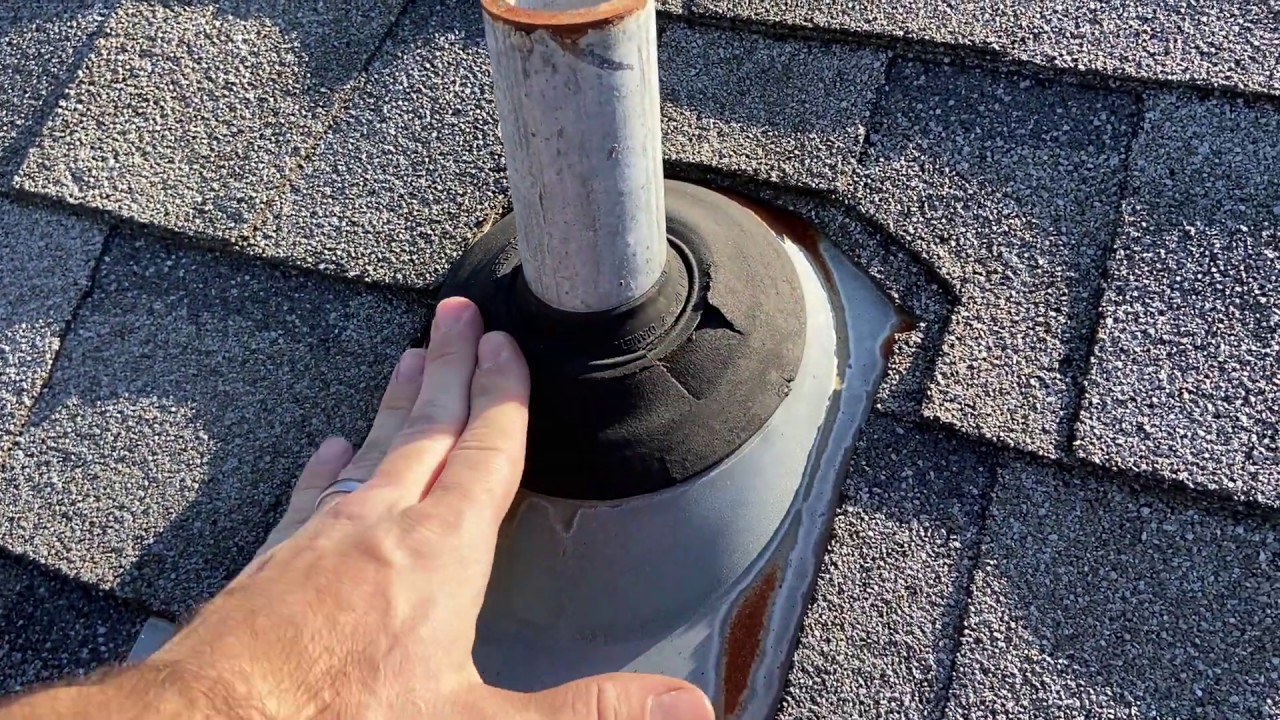
Pipe boots: The rubber collar around plumbing vent pipes is vulnerable to hail impact, especially on older roofs where the rubber has already begun to dry and crack. A hail strike on an aging pipe boot can split it open immediately.
Gutters and downspouts: Aluminum gutters dent readily in hail. While gutter damage alone may not warrant a roof claim, documenting it supports the overall evidence of hail impact on the property and strengthens the claim for roof damage.
Skylights: Plastic dome skylights can crack or craze from hail impact. Glass skylights may chip. Even if the skylight still functions, the damage can lead to leaks over time and should be included in the claim.
Siding and paint: While not part of the roof, hail damage to siding, window trim, and painted surfaces on the windward side of the building corroborates the hail event and supports the roof claim.
What adjusters commonly miss during initial inspection
Insurance adjusters are under pressure to inspect properties quickly. In active storm seasons, a single adjuster may inspect 5–10 properties per day. This time pressure, combined with access limitations, means certain types of hail damage are routinely missed during the initial inspection:
Steep or hard-to-access slopes: Adjusters may only walk accessible slopes and extrapolate damage to the rest of the roof. Damage patterns from hail vary significantly by slope direction relative to the storm, meaning the slopes the adjuster skipped may have more, or different, damage than the ones inspected.
Soft metal components: Small dents in flashing, vent caps, and exhaust housings are easy to overlook, especially when the adjuster is focused on counting shingle hits. These components are often not individually listed in the initial estimate.
Pipe boots and rubber seals: Adjusters may not inspect every pipe boot closely enough to see hairline cracks or impact marks in the rubber collar. On a roof with 6–8 plumbing vents, this can mean hundreds of dollars in missed line items.
Starter strip and drip edge: Damage at the eave line (where starter shingles and drip edge metal sit) is often missed because these components are partially hidden by the gutter. Hail that dents gutters almost certainly also impacts the drip edge and starter course directly above.
Ridge cap granule loss: Adjusters may count shingle hits on the field of the roof but not closely examine the ridge caps, which are often the most heavily damaged component due to their exposed position.
Collateral damage from the hail event: Wind-driven rain during a hailstorm can force water into areas that were already compromised. The resulting moisture damage to underlayment or decking may not be visible until tear-off.
Each of these missed items is a legitimate supplement once the roof is being replaced and the damage can be properly documented.
Hidden hail damage found during tear-off
The most significant hail damage discoveries happen during tear-off, when the existing roofing materials are removed and the underlying structure is exposed for the first time since the last installation. This is where supplement value concentrates:
Bruised or cracked underlayment: Hail impacts can bruise or puncture felt paper and synthetic underlayment beneath the shingles. This damage is completely invisible from the surface but compromises the secondary water barrier. Replacing damaged underlayment is necessary and supplementable.
Decking damage from impact: On older roofs with thinner decking, large hail can fracture or delaminate OSB and plywood sheathing. The impact force transfers through the shingle and underlayment, creating soft spots in the deck that are only discoverable when the crew walks the bare decking during tear-off.
Concealed flashing failures: Hail impact on step flashing can crack the sealant between flashing pieces and the wall surface. Counter flashing may be dislodged from its mortar joint by a combination of hail impact and thermal cycling. These failures are hidden behind existing roofing material and only become visible during tear-off.
Multiple layers concealing older damage: Some roofs have a second layer of shingles installed over the original. The hail damage claim is for the top layer, but once tear-off begins and both layers are removed, the crew may discover that the original layer also had unaddressed damage, or that the decking beneath both layers has deteriorated.
Ice and water shield that was never installed: When the existing roof was installed (possibly 15 or 20 years ago), ice and water shield may not have been required or was simply skipped. Current building codes in most jurisdictions require it in valleys, at eaves, and around penetrations. This code-required upgrade is a standard supplement item on hail damage re-roofs.
Every one of these findings represents additional cost that the original adjuster estimate did not, and could not, include. Documenting them properly is the key to recovering that cost through the supplement process.
How to document hail damage for supplements
Documentation quality is the single biggest factor in whether a hail damage supplement gets approved or denied. Adjusters need to see clear evidence that the damage exists, that it was concealed, and that the repair is necessary. Here is how to document hail damage findings effectively:
Before tear-off, document the visible damage:
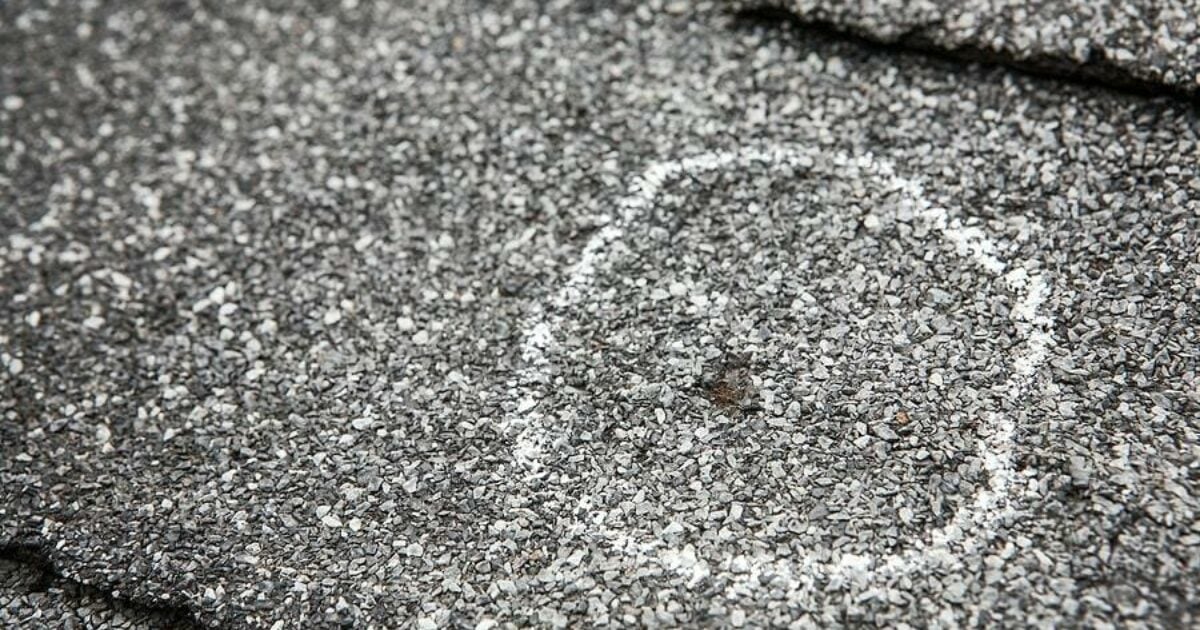
Photograph hail hits on shingles with chalk circles marking each impact (the industry standard technique). Include both wide shots showing the pattern across the slope and close-ups of individual hits.
Photograph all collateral damage (gutters, vents, flashing, skylights, siding) to establish the severity and direction of the hail event.
Note the slope direction (north, south, east, west) for each set of photos. Hail damage patterns correlate with storm direction, and adjusters check for this consistency.
Document the size of hail impacts by placing a coin, ruler, or hail gauge next to damage for scale.
During tear-off, document the concealed damage:
Photograph each finding immediately when discovered, before new materials cover it.
Take context shots showing where the damage sits on the roof (wide angle) and detail shots showing the damage itself (close-up).
Tag each finding by type (decking, flashing, underlayment, pipe boot, ice and water shield) so the supplement can be organized by category.
Record measurements: how many sheets of decking, how many linear feet of flashing, how many square feet of underlayment.
Add voice notes or written descriptions explaining what was found and why it was not visible before tear-off.
After documentation, build the supplement package:
Write a professional narrative for each finding explaining the damage, its location, how it was discovered, and why repair is necessary.
Map each finding to the correct Xactimate line codes with accurate quantities.
Compile everything into a clean PDF report with labeled photos, narratives, and a findings summary.
Submit to the adjuster the same day, while the documentation is fresh and the evidence is current.
Preparing for storm season: systems that scale
Hail season is concentrated but intense. When a major storm hits a metro area, restoration contractors may go from 5 jobs in the pipeline to 50 almost overnight. The contractors who recover the most supplement revenue during storm season are not the ones with the biggest crews. They are the ones with systems that scale.
A scalable supplement documentation system has these characteristics:
Field crews can capture documentation independently without waiting for a project manager to be on-site. The crew lead opens the app, photographs the damage, tags it, and adds notes. No bottleneck.
Documentation is organized automatically by project, damage type, and roof area. When 30 jobs are running simultaneously, you cannot afford to sort through camera rolls looking for which photos belong to which property.
Supplement narratives are generated consistently. Writing unique narratives for 30 supplements per week is not sustainable manually. AI-generated narratives from field data ensure every supplement has professional documentation regardless of volume.
Xactimate exports are automatic. Manually building line items for each supplement is the office bottleneck that kills turnaround time during storm season. Automated mapping from damage type to Xactimate codes eliminates this step.
Reports can be emailed to adjusters directly from the platform. When you are managing 50 active claims, the ability to generate and send a report in one click instead of assembling PDFs manually saves hours per day.
Contractors who handled storm season in 2025 without a system like this know the pain: lost photos, delayed supplements, denied claims, and thousands of dollars in supplement revenue that evaporated because the documentation was not there.
Turning hail damage documentation into recovered revenue
Every hail damage re-roof has hidden findings. Rotted decking under a failed pipe boot. Flashing that cracked when the hailstone hit it. Underlayment that was punctured by the impact force. Ice and water shield that was never installed in the first place. The damage is there on almost every job. The question is whether it gets documented and submitted.
The average hail damage supplement recovers $1,500–$3,200 per job. On a busy storm season with 20 insurance re-roofs in a single month, that represents $30,000–$64,000 in additional revenue. Over a full season, proper supplement documentation can add six figures to a restoration contractor's top line.
Supplement Snap was purpose-built for this workflow. Your crew captures hail damage findings during tear-off: photos tagged by damage type and roof location, voice notes in English or Spanish describing what they found. The platform's AI generates professional supplement narratives from the field data. Xactimate-ready CSV exports map each finding to the correct line codes with quantities and pricing. A branded PDF report is generated and emailed to the adjuster the same day.
The result is a supplement process that scales with storm volume. Whether you are running 5 hail damage jobs or 50, every finding gets documented, every supplement gets submitted, and every dollar of hidden damage gets recovered. That is the difference between a storm season that stretches your operation thin and one that drives your most profitable quarter of the year.
For a broader guide on all types of storm damage, see storm damage roof repair guide.
References & Resources
Ready to streamline your supplement process?
Supplement Snap helps your crew capture hidden damage during tear-off and generate adjuster-ready reports in minutes.
Written by
Kelvin Spratt
Founder, Supplement Snap
Kelvin builds software for roofing contractors who are tired of leaving supplement money on the table. His background in software development and insurance restoration workflows drives everything Supplement Snap does.